
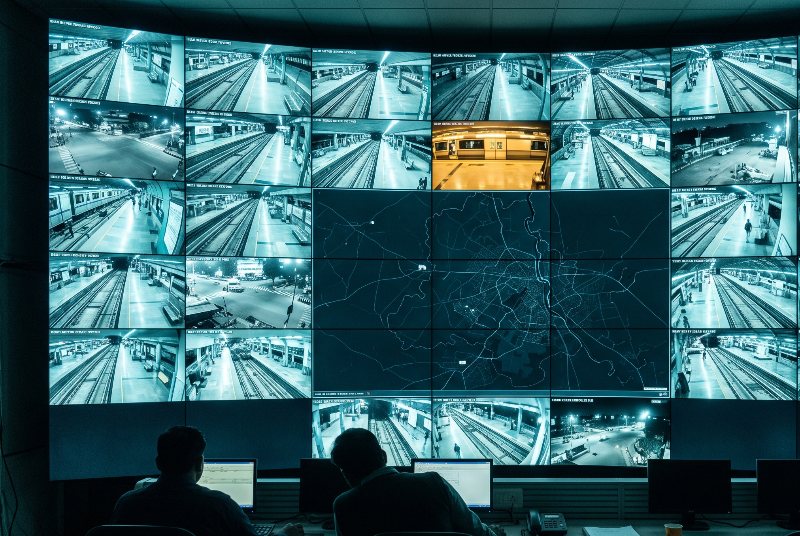
Control-room fusion
One operator view instead of a 48-tile wall — tracks carry a single ID across every camera on site.
Tiles replaced 48 → 1
Operators per shift 6 → 2
HyperFUSE ingests unsynchronized 2D streams and returns a metrically accurate, temporally aligned 3D world model in 11 ms end to end. One API call — no rig, no calibration targets, no offline pass.
Free through 50,000 frames — keys issue instantly, no card.
Developer platform
Bind camera IDs, read fused frames. Extrinsics self-solve on the first 200 frames — nothing to measure, nothing to print, nothing to hold up in front of a lens.
from hyperfuse import Scene

scene = Scene.attach(["cam-01", "cam-02", "cam-04"])

for frame in scene.stream(fps=30):
    frame.tracks        # 42 · world-space, id-stable
    frame.mesh          # watertight, 1.9 cm mean error
    frame.depth("cam-04") # reprojected per-view
Benchmarks
Measured on the junction reference set — 8 cameras, 4K, mixed daylight and sodium-vapour night. Single node, batch 1, no frame dropping.
Occlusion recovery — share of tracks held through a full-body occlusion longer than 1.5 s.
One scene, every target
Watertight mesh plus world-space tracks. Query by volume, not by camera — "who is inside bay 4" is one call.
Temporal fusion
Every frame refines the model instead of replacing it — occluded surfaces stay solved once any camera has seen them.
Deployment
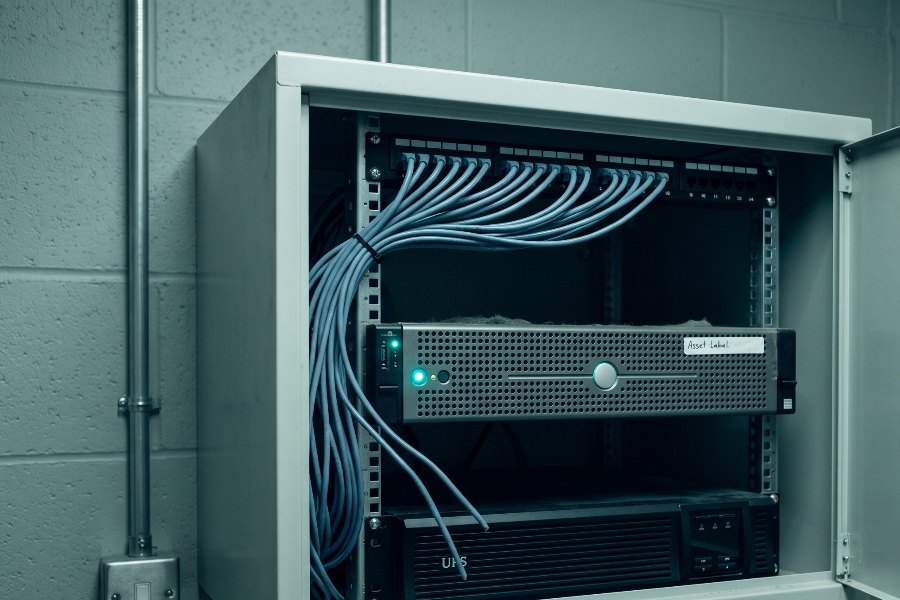
Frames are the sensitive asset — most sites cannot ship them off-premises, and the ones that can still cannot afford the round trip. HyperFUSE runs as an on-prem node, in a regional cloud, or split across both with automatic failover.
In production
One operator view instead of a 48-tile wall — tracks carry a single ID across every camera on site.

Vehicle and pedestrian paths in world coordinates — near-miss geometry, not just counts.

Stockpile volume, exclusion-zone breach, and crane sweep from the cameras already installed.
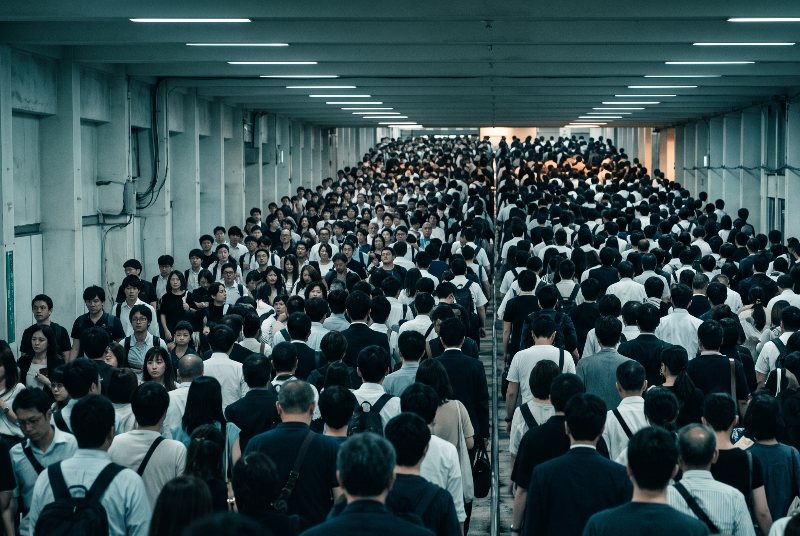
Per-square-metre density from overlapping views — holds through occlusion at festival scale.
Made in LENS Studio
The LENS chevron-E, built from its own spec sheet — four bands, one 29.6° cut, one continuous ramp. Drag to inspect; it downloads as OBJ or GLB with every band named.
Drag to orbit · scroll to zoom · right-drag to pan
The E is shared with LENS — the same glyph on every LENS letterhead. Studio rebuilt it from ratios, not pixels, so it holds at any scale in any renderer.
Open the SDK docsA 2D frame goes in. An animated, embeddable 3D scene comes out — motion, sound, and logic all declared in the same file.
Free through 50,000 frames — keys issue instantly. Bring three camera URLs and a terminal.